

 Proudly Serving Perth, WA
 M-F: 9:00am - 5:00pm

Ridge Capping & Re-Pointing
Roof Ridge Capping & Re-Pointing Perth
Your roof's ridge line takes the brunt of everything Perth's weather throws at it. Baking summer heat, winter storms, coastal salt air, and the occasional hailstorm all work to break down the mortar that holds your ridge capping in place. Over time, cracks appear, tiles loosen, and what starts as a small problem becomes a leaking roof that damages your ceiling and home interior.
TDR Roofing specialises in professional ridge capping repairs and roof re-pointing across Perth. With over 50 years of combined experience, we've repaired thousands of roof ridge lines using modern flexible pointing systems that last far longer than old cement mortar. We're qualified roof tilers who understand the structural importance of proper ridge capping, not maintenance contractors trying to patch problems they don't fully understand.
What is Roof Re-Pointing and Why Does It Matter?
Re-pointing is the process of renewing the mortar that seals and secures your roof's ridge capping tiles. The ridge line is where two roof planes meet at the peak, and ridge tiles sit along this junction to weatherproof it. These tiles are bedded in mortar and then pointed with additional mortar to create a watertight seal.
Perth's climate is particularly harsh on roof mortar. The extreme temperature fluctuations cause expansion and contraction, while UV exposure breaks down the binding agents. Traditional cement mortar, which was the standard for decades, becomes brittle and cracks. Once cracks form, water gets in during rain, which accelerates the deterioration. The mortar crumbles, ridge tiles loosen, and suddenly you have a leak that's travelling down into your ceiling cavity.
Modern re-pointing uses flexible polymer-based systems that move with your roof instead of fighting against it. These materials handle Perth's temperature swings without cracking and maintain their seal for 15 to 20 years. The difference between old cement pointing and modern flexible pointing is like comparing a rigid pipe that cracks under pressure to a flexible hose that bends without breaking.
Proper re-pointing isn't just cosmetic. Your ridge line is one of the most critical weatherproofing elements on your entire roof. When it fails, water doesn't just drip through. It runs down the inside of your roof structure, soaking timber, damaging sarking, staining ceilings, and potentially causing rot in your roof frame. A few hundred dollars spent on re-pointing prevents thousands in structural repairs.
Signs Your Perth Roof Needs Re-Pointing
Most homeowners don't climb up to inspect their ridge line regularly, which means problems often go unnoticed until a leak appears. However, there are visible signs you can spot from the ground that indicate your ridge capping needs attention.
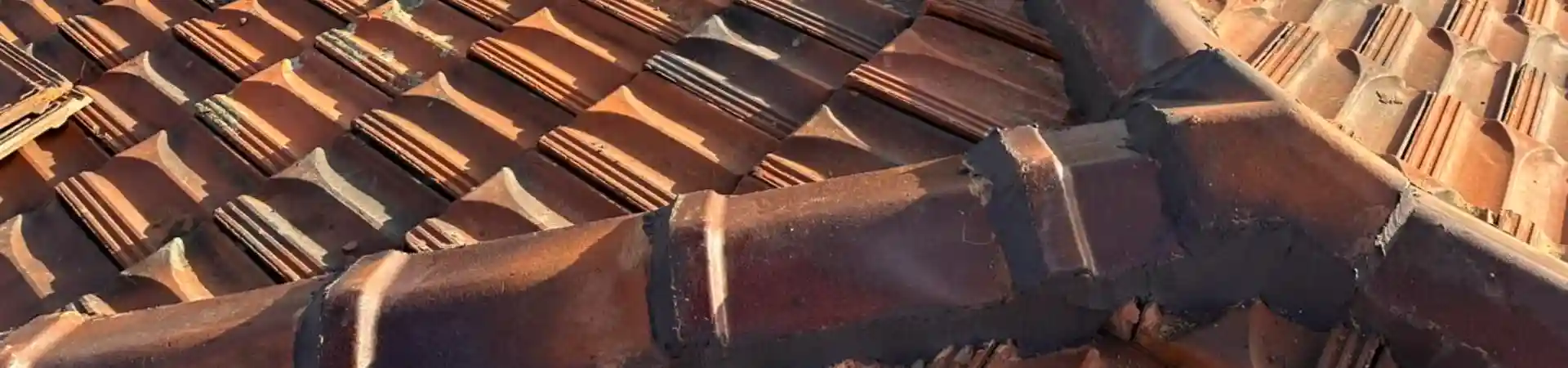
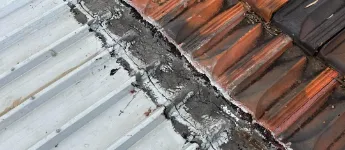
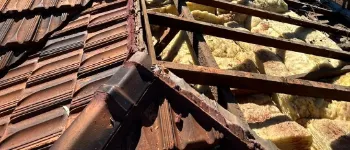
Cracked or missing mortar along the ridge line is the most obvious indicator. If you can see gaps between the ridge tiles and the roof tiles, or sections where mortar has completely fallen away, your roof is vulnerable to water penetration. Even hairline cracks in the pointing allow water to seep in and begin the deterioration process.
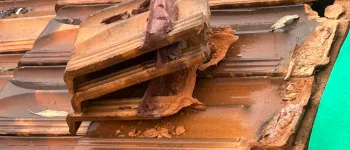
Loose or shifted ridge tiles are a serious warning sign. Ridge tiles should sit firmly in place, aligned in a straight line along the peak. If tiles have moved, rocked out of position, or you can see daylight between tiles and the roof surface, the bedding mortar underneath has failed. This requires rebedding and re-pointing to fix properly.
Water stains on your ceiling, particularly near the centre of rooms or following the roof line, often indicate ridge line problems. The leak might not be directly above the stain because water travels along timber and sarking before it drips through. If you're seeing stains after heavy rain, your ridge line should be professionally inspected.
Age is another factor to consider. Most roof pointing in Perth needs renewal every 10 to 15 years. If your roof is approaching this age and you can't remember the last time the ridge line was addressed, a preventative inspection makes sense. Catching deterioration early saves money compared to waiting until leaks have already caused damage.
The Difference Between Rebedding and Re-Pointing
These terms often get used interchangeably, but they're actually different processes that address different problems. Understanding the distinction helps you know what your roof actually needs.
Rebedding involves removing the ridge tiles completely and replacing the mortar bed underneath. The bedding mortar sits between the ridge tiles and the roof surface, holding the tiles in place and creating the primary seal. When this bedding fails, tiles loosen and the entire ridge system becomes compromised. Rebedding means lifting tiles, cleaning away old mortar, applying fresh bedding material, repositioning tiles correctly, and allowing it to cure before pointing.
Re-pointing is the process of renewing just the external mortar that covers the edges and joins of the ridge tiles. This pointing mortar sits on top of the bedding and provides additional weatherproofing while giving the ridge line a finished appearance. If your bedding is still solid but the pointing has cracked or deteriorated, re-pointing alone may be sufficient.
Many roofs need both services. The bedding might have failed in some sections while other areas only need the pointing renewed. A proper assessment examines the entire ridge line section by section to determine exactly what work is required. We'll never recommend rebedding if re-pointing will do the job, but we also won't just re-point over failed bedding because that's a temporary fix that wastes your money.
How We Approach Ridge Capping Repairs
Every ridge line is different, and cookie-cutter approaches lead to recurring problems. We inspect your roof thoroughly before providing recommendations. We'll photograph areas of concern, explain what we've found, and give you options based on the actual condition of your ridge capping rather than assuming what needs doing.
For re-pointing work, we remove all deteriorated mortar carefully to avoid damaging tiles. The surface is cleaned and prepared properly because pointing won't adhere to dirty or loose material. We apply flexible pointing compound using techniques that ensure proper coverage and create a lasting seal. The material is tooled to shed water effectively and finished to match your existing roof appearance.
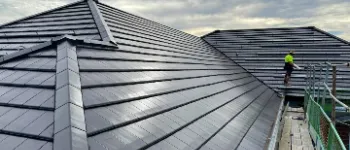
When rebedding is required, we remove ridge tiles systematically and document their position. All old bedding mortar is stripped away, and the roof surface is cleaned thoroughly. Fresh bedding mortar is applied at the correct consistency and thickness. Ridge tiles are repositioned precisely, ensuring proper alignment and spacing. Once the bedding has cured sufficiently, we complete the re-pointing process.
We use quality materials designed specifically for Perth's climate. The flexible pointing systems we install resist UV damage, handle thermal movement, and maintain their waterproofing properties for years. Cheaper products might look similar when first applied, but they fail faster and end up costing more in repeated repairs.
Common Causes of Ridge Capping Failure in Perth
Understanding why ridge capping fails helps homeowners appreciate the importance of using experienced tilers for repairs. Poor initial installation is a common culprit. If tiles weren't bedded properly or pointing was applied incorrectly, the system fails prematurely regardless of material quality.
Material choice matters significantly. Traditional cement mortar, while cheaper upfront, simply doesn't handle Perth's climate well. It cracks within years, and once cracks form, deterioration accelerates. Some contractors still use cement because it's what they've always done or because it's cheaper. This might save money initially, but homeowners end up paying for re-pointing more frequently.
Inadequate coverage during installation creates vulnerabilities. Pointing needs to completely seal the joins between tiles and cover the bedding adequately. Gaps or thin spots allow water penetration. Even small amounts of water cause problems over time, freezing in winter, expanding, and widening cracks further.
Storm damage can compromise ridge capping suddenly. High winds lift tiles, hail impacts crack mortar, and flying debris damages sections. After severe weather, having your ridge line inspected makes sense even if you haven't noticed leaks yet. Damage might not be immediately obvious but could worsen rapidly.
Why Proper Ridge Capping Matters for Your Entire Roof
Your ridge line isn't just another part of your roof. It's the highest point, most exposed to weather, and forms a critical junction in your roofing system. When it fails, the consequences extend throughout your roof structure.
Water penetration at the ridge line doesn't just create ceiling stains. It soaks into timber battens and rafters, creating conditions for rot and potentially attracting termites. The moisture damages sarking and insulation, reducing your home's energy efficiency. Over time, structural timber can weaken to the point where it needs replacing, turning an affordable re-pointing job into an expensive structural repair.
Loose ridge tiles create immediate safety risks. A tile dislodged during a storm becomes a dangerous projectile that can damage vehicles, injure people, or break windows. Tiles that seem stable one day can be lifted by strong winds the next if their bedding has deteriorated. This isn't just about protecting your property but ensuring your home doesn't become a hazard to neighbours or passersby.
Proper ridge capping also affects your home's ventilation. Many modern roofing systems incorporate ventilated ridge systems that allow hot air to escape from your roof cavity. If ridge tiles are installed incorrectly or repairs block ventilation paths, your roof cavity overheats, increasing cooling costs and potentially reducing the lifespan of roofing materials.
What Sets TDR Roofing Apart
Ridge capping and re-pointing might seem straightforward, but the difference between a proper repair and a temporary patch becomes obvious within a few years. We've seen countless examples of poor re-pointing work that looked acceptable initially but failed within two or three years because corners were cut or inappropriate materials used.
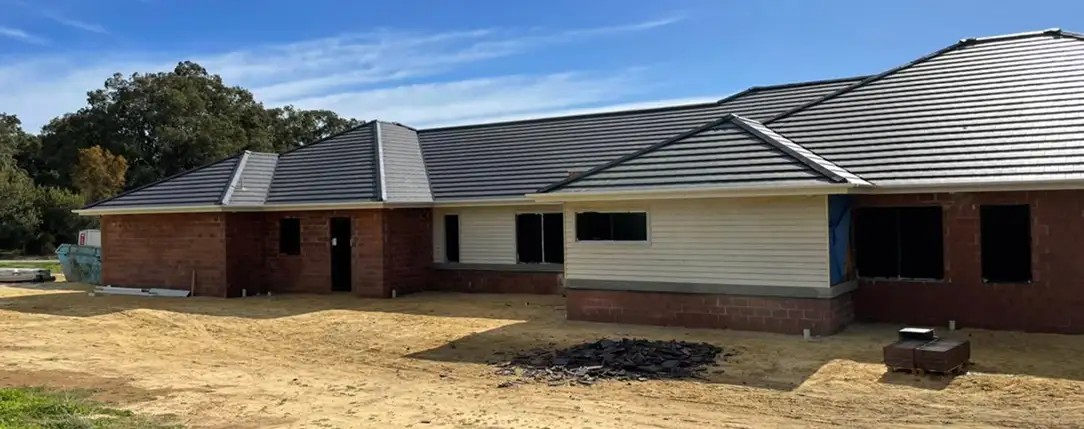
TDR Roofing brings over 50 years of combined experience to every ridge capping project. We're qualified roof tilers who've specialised in the craft, which means we understand roof structures, water flow patterns, and the technical requirements of proper installation. We've worked on everything from simple gable roofs to complex hip roofs with multiple ridge lines and valleys.
We do all our own work and never subcontract. The people who assess your roof, provide your quote, and complete the repairs are our qualified team members. This ensures consistent quality and gives you direct accountability. When we say we'll use flexible pointing systems, we mean quality products applied correctly, not cheap alternatives that won't last.
Every job matters to us regardless of size. Whether you need a small section of pointing renewed or complete ridge line rebedding across your entire roof, you receive the same attention to detail and commitment to quality. We provide fair pricing based on thorough assessment, and we explain exactly what we're doing and why. No job is too small or too difficult, and we won't recommend work you don't need just to increase the invoice.
 0409 083 956
Qualified, Experienced, and Fully Accountable
TDR Roofing is a family-owned Perth business built on honest workmanship and fair pricing. With over 50 years of combined experience, we are qualified roof tilers who focus entirely on the trade rather than general contractors who work across many areas. We understand roof structures, weatherproofing and the technical detail needed for repairs that last.
We complete all work ourselves and never use subcontractors, giving you consistent quality and clear communication from start to finish. Whether it is a small leak or a complete reroof, we approach every job with care and integrity, offering honest advice about what your roof truly needs.
 0409 083 956

How It Works
Our process is built around transparency, clear communication, and quality workmanship. From the first inspection to the final clean-up, we keep you fully informed so you know exactly what’s happening on your roof and why.
-
01 Thorough Roof Inspection
We conduct a detailed assessment of your entire ridge line, photographing problem areas and testing the integrity of bedding and pointing. You'll receive honest feedback about what needs attention and what can wait, along with a clear explanation of the issues we've found.
-
02 Detailed Written Quote
Your quote breaks down exactly what work is required, materials we'll use, and the timeline for completion. We explain the difference between re-pointing and rebedding if both are needed, and provide options based on your budget and priorities. No hidden costs or surprise additions.
-
03 Professional Repairs
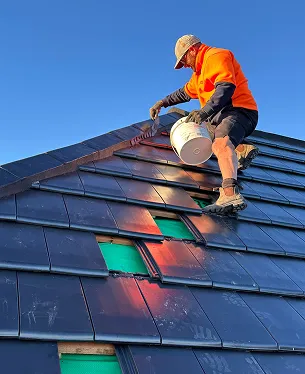
Our qualified tilers remove deteriorated mortar to protect your tiles. We prep all surfaces nicely and apply modern flexible pointing systems with proven techniques. If rebedding is needed, tiles are lifted, old bedding removed, and fresh mortar applied before they’re reset and pointed.
-
04 Quality Check and Clean-Up
We inspect completed work to ensure every section meets our standards. All debris is cleared, surrounding areas cleaned. You’re left with a properly sealed ridge line that will protect your home for years. We explain maintenance tips and answer questions about the work done.
Ridge Capping & Re-Pointing: Your Questions Answered
-
Most roofs need re-pointing every 10 to 15 years depending on the materials used and exposure to weather. Modern flexible pointing systems last longer than traditional cement, often reaching 15 to 20 years. Regular inspections help identify deterioration before it becomes serious leaking.
-
Cement pointing is rigid and cracks as your roof expands and contracts with temperature changes. Flexible pointing uses polymer-based compounds that move with your roof without cracking. It handles Perth's climate better, lasts longer, and provides superior waterproofing. The cost difference is minimal, but the performance difference is significant.
-
We can repair individual sections if that's all that's required. However, if several areas show deterioration, addressing the entire ridge line often makes more sense financially and ensures consistent protection. We'll assess the full ridge line and recommend the most cost-effective approach based on the actual condition.
-
Simple re-pointing can often be completed in a day for an average home. More extensive rebedding work takes longer, typically two to three days depending on roof size and complexity. Weather affects the timeline since pointing materials need dry conditions to cure properly. We'll give you a realistic timeframe upfront.
-
If the leak is caused by failed ridge capping, then yes, proper re-pointing or rebedding will fix it. However, leaks can have multiple causes. We'll inspect your entire roof to identify the source of water penetration and recommend appropriate repairs. Sometimes ridge work is part of the solution alongside other repairs like replacing damaged tiles or fixing valley irons.